Best performing
Of the six fixed detection systems tested.

Operational wildfire intelligence
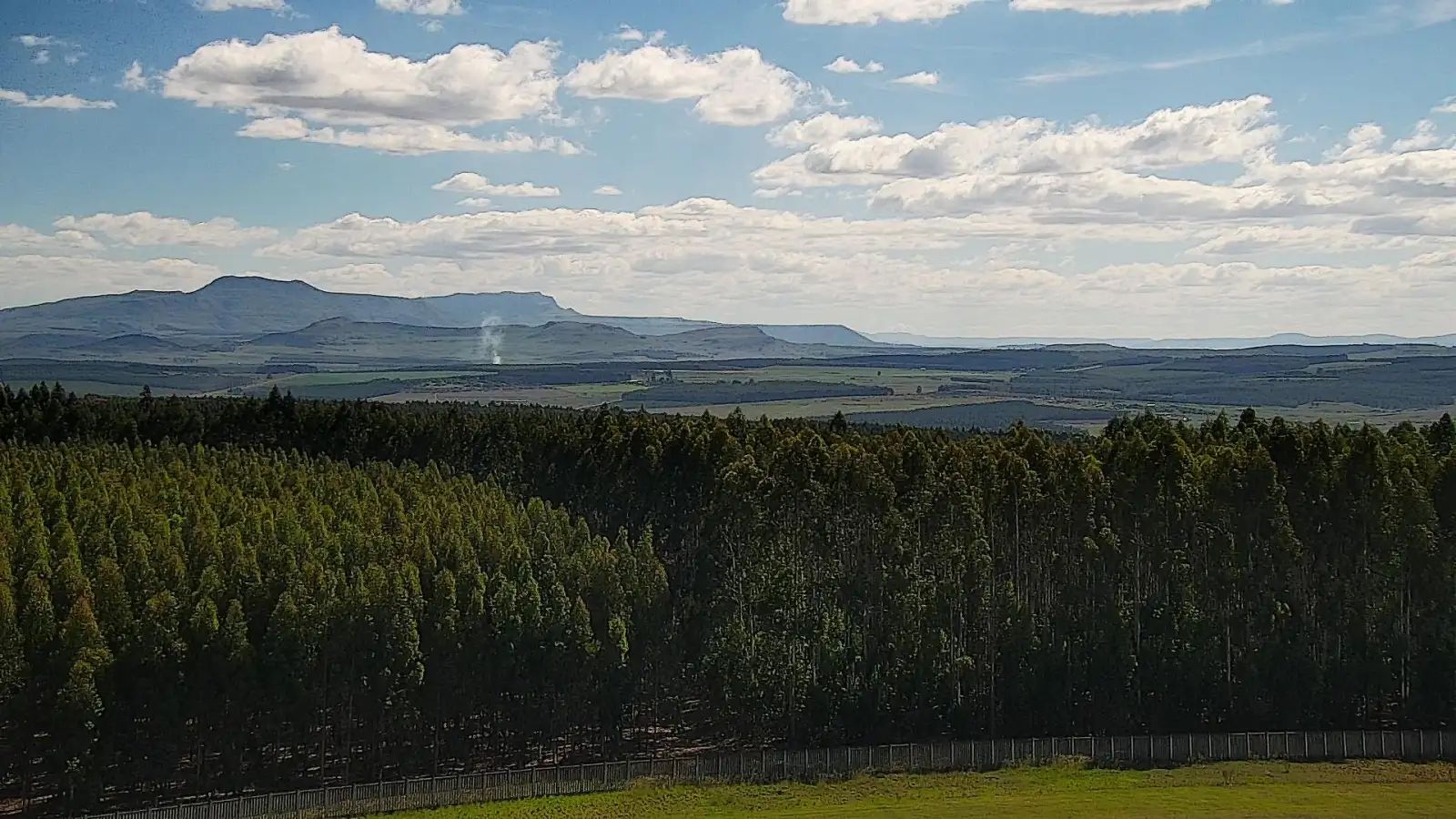
Cameras scan your land every 2–4 minutes and flag smoke up to 30 km away. Our operators verify each alert, so your teams get a confirmed location while the fire is still small.

Independent performance
In the Alberta Wildfire Detection Challenge run by FPInnovations, Firehawk was the best performing of the six fixed detection systems tested, detecting 88% of test smokes at 10 to 20 km and 78% at 20 to 30 km.
Request the performance briefOf the six fixed detection systems tested.
Of test smokes detected.
Of test smokes detected.
Source: FPInnovations Technical Report TR 2023 No.1, February 2023
“[Firehawk is] a very excellent service provider supplying both a well maintained and updated detection system and professional well trained management and staff. We would certainly recommend their services to anyone in the industry.”
The Firehawk approach
One real detection, followed through all four stages.
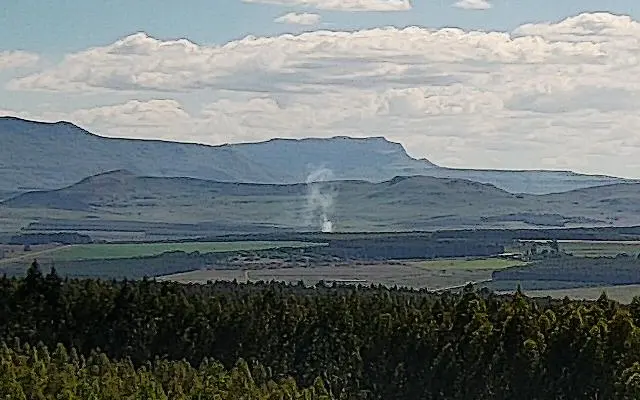
Cameras sweep the full 360° every 2–4 minutes.
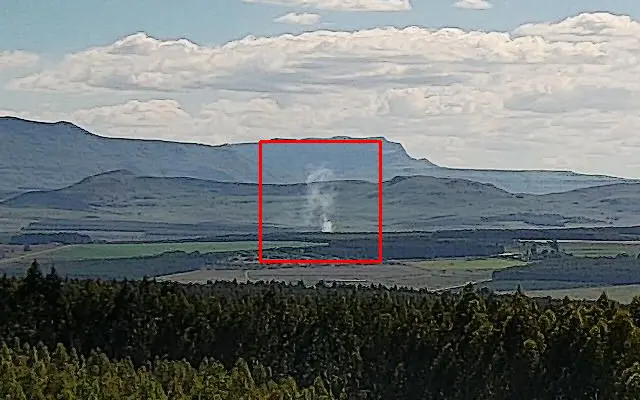
Algorithms flag the smoke and link related sightings.
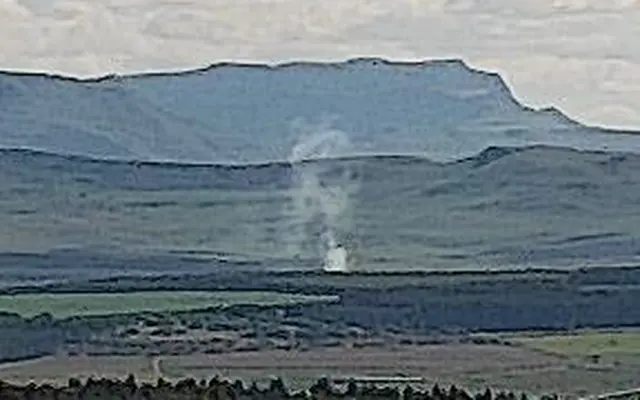
An experienced operator zooms in and confirms it.
Your team gets the bearing, distance and imagery.
Country geometry: Natural Earth 1:110m
Proven in the field
Firehawk began operating in South African forestry in 1994. Today it runs detection networks across Africa and South America, with detection centres staffed 24 hours a day.
One operational organisation
Four connected capability areas, each with a clear role in keeping people informed and systems ready.
FireHub
The operational centre for camera viewing, incident management and user coordination.
Operational reporting
Historical insight, performance reporting and SLA visibility for management teams.
Infrastructure intelligence
Continuous equipment-health monitoring for the infrastructure that keeps detection online.
Detection intelligence
Agentic monitoring and event correlation that support—not replace—experienced operators.
Start a conversation
Talk to Firehawk about continuous detection, operational monitoring or the infrastructure supporting your wildfire response.
Discuss your operation